Skateboarding Puppet: A Designer’s Review
As an embroidery designer who spends countless hours digitizing and testing files, I approach every new download with a critical eye. We all know the frustration of purchasing a machine embroidery design only to find it poorly digitized or unsuitable for commercial use. Recently, I came across the Skateboarding Puppet on Creative Fabrica, and I decided to put it through its paces. This isn’t just about aesthetics; it is about whether this file can hold up in a real-world production environment for small business owners and crafters.
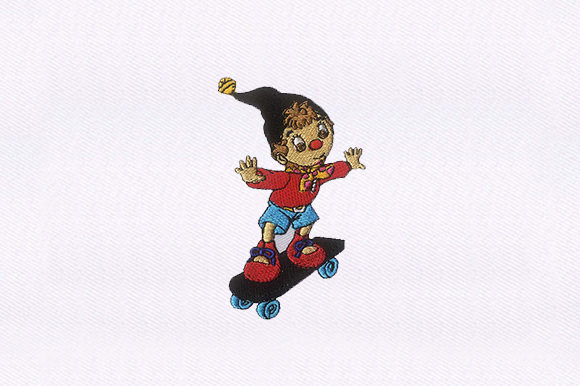
The first impression of the Skateboarding Puppet is one of playful energy. It captures a whimsical mood that fits perfectly within the current trend of quirky, character-driven decor. Visually, the design relies on clean lines and distinct shapes, which suggests it was digitized with clarity in mind. For those of us creating handmade products, visual appeal is the first hook for potential buyers. This design does not clutter the fabric with unnecessary noise, allowing the character to stand out whether it is stitched on a neutral tote bag or a vibrant sweatshirt.
Evaluating Stitch Quality and Density
When reviewing any embroidery file, my primary concern is stitch density and structure. A design that looks good on screen can sometimes translate into a puckered mess on fabric if the underlay is insufficient or if the fill stitches are too dense. The Skateboarding Puppet appears to utilize a balanced mix of stitch types. While I cannot confirm the exact stitch count without loading the file into my software, the visual preview suggests a thoughtful application of satin stitch for outlines and details, paired with fill stitch for larger color blocks.
This balance is crucial for maintaining the integrity of the fabric. If you are planning to use this on stretchy materials, such as jersey knit for custom apparel, the stitch density must be managed carefully to prevent distortion. For rigid fabrics like canvas or denim, typically used in tote bag design projects, a slightly higher density can add a luxurious, textured feel. However, always remember to test on scrap fabric first. Every machine tension setting varies, and what works on my industrial multi-needle might require slight adjustments on a single-needle home machine.
Versatility Across Product Categories
One of the strongest selling points of the Skateboarding Puppet is its versatility. As a design falling under the Toys and Embroidery categories, it bridges the gap between childish fun and modern streetwear aesthetics. Here is how I envision this design performing across various product lines:
- Custom Apparel: This design shines on sweatshirt embroidery. Placed on the left chest or as a larger back print, it adds a unique personality to blank garments. It appeals to a younger demographic or adults who appreciate nostalgic, playful graphics.
- Accessories and Bags: For a tote bag or a canvas apron, the bold lines of the puppet ensure visibility from a distance. The contrast of thread colors against natural canvas creates a high-end boutique look.
- Embroidered Patches: This is perhaps the most lucrative application. By stitching the design on twill or felt and cutting it out, you create an embroidered patch that can be sold separately or applied to hats and jackets. Patches are low-risk inventory items that ship easily.
- Nursery and Kids’ Decor: While the skateboarding theme is edgy, the puppet aspect keeps it friendly. It works well on pillow covers or baby blankets, provided you use soft, child-safe threads and ensure no loose ends remain.
Technical Considerations for Real-World Use
Before committing to a large batch of commercial embroidery products, there are several technical factors to consider. The Skateboarding Puppet comes in a wide variety of formats, including DST, PES, JEF, EXP, and many others. This broad compatibility is a significant advantage for users with different machine brands. However, having the right file format is only half the battle.
Hoop size is a critical constraint. You must check the specific dimensions of the design in your embroidery software before purchasing. If the design is large, it may require a 5x7 or 6x10 hoop, which limits its use on smaller items like caps or baby socks. Conversely, if it is compact, it offers more flexibility. Always confirm the hoop size requirements on the Creative Fabrica product page.
Another key factor is fabric choice. Dark fabrics require careful planning regarding thread colors. If the puppet design has light elements, they will pop beautifully against black or navy. However, if the design includes dark shades, you may need to adjust the color palette or use a white underlay to ensure visibility. For curved surfaces like caps, the design’s complexity matters. Simple, bold designs like this puppet often translate better to curved hoops than intricate, highly detailed images, which can suffer from registration issues.
Enhancing Product Value and Brand Consistency
Using high-quality assets like the Skateboarding Puppet can significantly impact your brand’s perceived value. In the saturated market of Etsy sellers and craft fair vendors, uniqueness is currency. A generic clipart-style embroidery often fails to capture attention, but a well-digitized character design invites engagement. It encourages customers to imagine the product in their lives, increasing the likelihood of a sale.
Furthermore, consistency in your product photography is enhanced by using distinctive designs. When you create a printable mockup or photograph your finished items, a recognizable and appealing design helps build a cohesive brand identity. Customers begin to associate that playful, high-quality aesthetic with your shop. This builds trust and encourages repeat business, especially for personalized gifts where the emotional connection is paramount.
Practical Steps Before You Stitch
To ensure success with this design, follow these practical steps:
- Verify Licensing: Always read the license terms on the Creative Fabrica product page. Ensure that commercial use is permitted for the specific type of products you intend to sell.
- Check File Details: The product lists formats like 10O, ART, CND, DSB, DST, DSZ, EXP, HUS, JEF, PCS, PEC, PES, TAP, VIP, VP3, and XXX. Confirm that your machine supports at least one of these formats natively to avoid conversion errors.
- Stabilizer Selection: Use the appropriate stabilizer for your fabric. Cut-away stabilizer is generally recommended for knits and items that will undergo frequent washing, while tear-away may suffice for woven towels or decorative pillows.
- Test Stitch: Never run a new design on your final product without a test. Stitch it out on a similar fabric scrap to check for thread breaks, nesting, or alignment issues.
- Inspect Small Details: After stitching, inspect the finer details of the puppet. If small areas are pulling or gaping, you may need to adjust your tension or add a lighter weight stabilizer.
In conclusion, the Skateboarding Puppet represents a solid addition to any embroidery designer’s library. Its playful nature, combined with what appears to be clean digitization, makes it a versatile asset for various design assets and projects. Whether you are creating custom apparel, home decor, or unique gifts, this design offers the potential to elevate your finished product. By paying attention to technical details and leveraging its visual appeal, you can integrate this design into your workflow with confidence.