Meowing Cat: A Designer’s Review for Business Merch
As an embroidery designer who has spent years digitizing and reviewing thousands of motifs, I approach every new machine embroidery design with a critical eye toward commercial viability. It is not enough for a motif to simply look cute on a screen; it must perform under the needle, withstand washing, and elevate the brand it represents. Recently, I evaluated the Meowing Cat design, a digital asset categorized under Cats, intended for professional use in small business merchandise and branded applications. This review focuses on how this specific embroidery file functions within the ecosystem of modern craft businesses, from boutique apparel to corporate gifting.
First Impressions: Visual Personality and Brand Fit
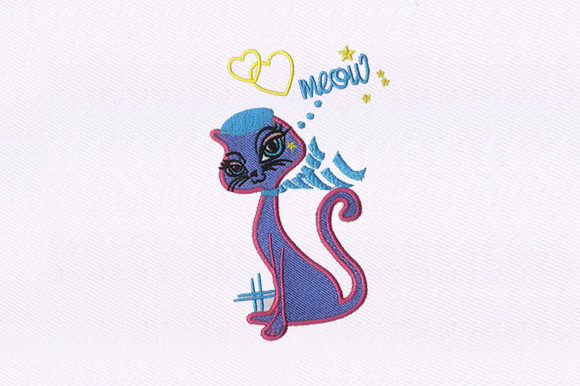
The immediate impression of Meowing Cat is one of approachable charm. In the context of brand identity, this design leans heavily into the playful and friendly spectrum. For businesses targeting pet owners, families, or creative communities, this visual tone is invaluable. It does not attempt to be overly minimalist or starkly modern; instead, it offers a decorative warmth that suggests a handmade, artisanal quality. This is crucial for Etsy sellers and handmade brands where the "human touch" is a primary selling point. The design feels organic, which helps it integrate seamlessly into rustic or cozy brand aesthetics, such as local bakeries, florists, or independent bookshops looking to add character to their staff uniforms or packaging.
Commercial Applications for Small Business Merch
The versatility of Meowing Cat becomes apparent when we consider its application across various substrates. For small business owners, the return on investment for a digital embroidery file depends on its adaptability. Here is how this design performs in real-world scenarios:
- Embroidered Patches: This is perhaps the strongest use case. An embroidered patch featuring Meowing Cat can serve as a collectible item for customers or a distinctive badge for staff. Patches allow for high perceived value and can be applied to denim jackets, canvas bags, or hats after production, offering flexibility in inventory management.
- Custom Apparel and Uniforms: For cafes or pet grooming salons, placing this motif on the chest pocket of a work shirt or apron creates instant brand recognition. It softens the professional look of a uniform, making staff appear more approachable to customers.
- Tote Bag Design: Canvas tote bags are a staple for boutique retail. Embroidering Meowing Cat onto a natural cotton tote transforms a simple utility item into a branded statement piece that customers are likely to use repeatedly, increasing brand visibility in public spaces.
- Cap Embroidery: When scaled correctly, this design works well on the front or side of baseball caps. It appeals to the growing market of niche hobbyist apparel, allowing businesses to sell branded headwear that feels trendy rather than corporate.
Technical Considerations and Production Notes
While the aesthetic appeal is strong, the technical execution determines the quality of the finished product. As a designer, I always advise checking the specific details of the digital embroidery file before committing to a large production run. The provided formats—10O, ART, CND, DSB, DST, DSZ, EXP, HUS, JEF, PCS, PEC, PES, TAP, VIP, VP3, and XXX—indicate broad compatibility with major machine brands. However, compatibility is only the first step.
Stitch density is a critical factor. If the design is too dense, it may cause puckering on lightweight fabrics like t-shirts or linen aprons. Conversely, if the density is too low, the underlying fabric might show through, especially on dark uniforms. I recommend running a test stitch-out on the exact fabric you intend to use. For textured fabric, such as terry cloth towels or heavy canvas, you may need to adjust pull compensation or use a cutaway stabilizer to ensure the design remains crisp and does not distort over time.
Another key consideration is hoop size. Ensure that the dimensions of Meowing Cat fit comfortably within your available hoop sizes without requiring excessive re-hooping, which can lead to alignment errors. For small patch sizes, verify that the fine details do not become lost. Tiny elements can break or merge during stitching if they are below the minimum stitch length capability of your machine.
Navigating Challenges in Execution
There are specific contexts where Meowing Cat should be used with caution. High-stress areas, such as the knees of children’s clothing or the elbows of workwear, may not be ideal for intricate embroidery unless reinforced properly. Additionally, if the design includes fine outlines or small text elements, these may not hold up well after frequent industrial washing. For items that require heavy durability, consider simplifying the color palette or increasing the stroke width if the software allows for editing.
Thread color contrast is another vital element. On dark uniforms, using light thread colors for Meowing Cat can create a striking visual, but it requires a proper underlay to prevent the dark fabric from shadowing the design. Always create a printable mockup to visualize how the thread colors interact with the garment color before stitching. This step saves time and material costs by allowing you to adjust the palette digitally.
Enhancing Brand Identity and Customer Trust
Incorporating a well-executed embroidery design like Meowing Cat into your product line does more than decorate an item; it builds brand equity. Consistent use of high-quality design assets signals professionalism and attention to detail. When customers receive a product with clean, precise embroidery, their trust in the brand increases. It suggests that the business values quality and longevity, which can justify higher price points for custom apparel and accessories.
For handmade product sellers, this design can serve as a signature element. Whether it is used as a label on a knitted scarf or an accent on a leather goods item, it creates a cohesive visual language. This consistency helps in building a recognizable brand identity that stands out in crowded marketplaces like Etsy or local craft fairs.
Final Recommendations for Designers and Makers
Before integrating Meowing Cat into your commercial workflow, follow these practical steps:
- Test in Black and White: Stitch the design in a single color first to evaluate the structure and spacing without the distraction of thread colors.
- Check Stabilizer Compatibility: Match your stabilizer to the fabric weight. Use tear-away for stable woven fabrics and cut-away for stretchy knits.
- Verify Licensing: Confirm the commercial licensing terms associated with the file. Ensure you have the right to sell physical products made with this design.
- Create Client Mockups: If you are fulfilling orders for other businesses, provide a digital mockup for approval to ensure the placement and size meet their expectations.
- Inspect Thread Tension: Adjust your machine tension settings to accommodate the specific requirements of the design, ensuring no loops or breaks occur during high-speed stitching.
In conclusion, Meowing Cat is a versatile and engaging addition to any embroidery designer’s library. Its strength lies in its ability to convey warmth and personality, making it ideal for small business merch, branded patches, and custom apparel. By paying attention to technical details like stitch density, fabric texture, and proper stabilization, you can ensure that every stitched piece reflects the high standards of your brand. Whether you are creating apron embroidery for a local cafe or designing a line of tote bags for a pet boutique, this design offers the professional polish needed to succeed in the competitive world of commercial embroidery.