Bunny Chow Lineart: A Designer’s Review for Merch
As an embroidery designer who has spent years digitizing and testing files for small businesses, I approach every new machine embroidery design with a critical eye. It is not just about whether the image looks cute on a screen; it is about how that image translates into thread, how it holds up on fabric, and ultimately, how it serves the brand identity of the client. Today, I am reviewing Bunny Chow Lineart, a design rooted in the Food category, specifically tailored for Embroidery applications. This review is aimed at small business owners, apparel decorators, Etsy sellers, and crafters who are considering this file for their next batch of branded merchandise.
First Impressions: Visual Personality and Brand Fit
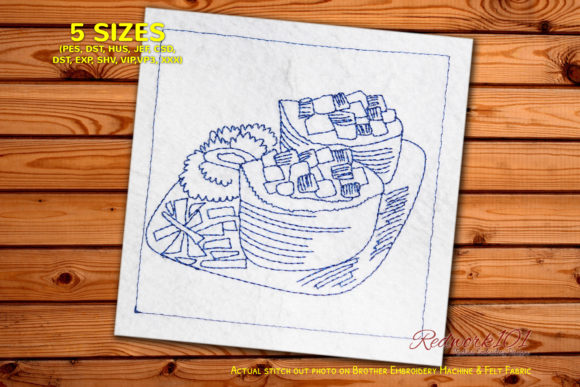
The first thing that strikes me about Bunny Chow Lineart is its versatility. The term "lineart" suggests a clean, outline-based approach, which is often ideal for modern branding. In the world of custom apparel, heavy fills can sometimes look bulky or dated. A line-art style, however, tends to feel more contemporary, playful, and approachable. For a business in the food sector—perhaps a café, a bakery, or a boutique sandwich shop—this aesthetic bridges the gap between professional and friendly.
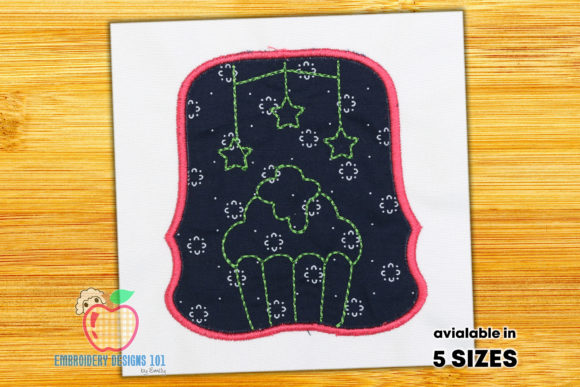
The description notes that "The Box Stitch shown in picture is optional." This is a crucial detail for us as designers. It implies flexibility. If the outer box is a different color or skipped entirely, the design becomes adaptable to various background fabrics. This modularity is excellent for small business merch because it allows you to maintain visual consistency across different product types without needing multiple separate files. Whether you are aiming for a rustic, handmade vibe or a sleek, modern look, the core structure of this design supports both interpretations depending on your thread choices.
Real-World Applications for Small Business Merch
When I evaluate a digital embroidery file, I immediately visualize it on actual products. Here is how Bunny Chow Lineart performs in real business scenarios:
- Embroidered Patches: This is perhaps the strongest use case. A line-art design translates beautifully into a chenille or satin-stitch patch. Because the lines are distinct, they create a bold graphic statement on a jacket sleeve or a backpack. For handmade brands, selling these as standalone accessories can diversify revenue streams.
- Staff Uniforms and Aprons: For a café or eatery, staff apparel is a walking billboard. Embroidering this design on the chest of a work shirt or the bib of an apron adds a touch of personality. Since the design is likely not overly dense, it remains comfortable to wear and does not stiffen the fabric excessively.
- Cap Embroidery: Caps have limited space and curved surfaces. Line art works well here because it avoids the puckering issues associated with large, solid fills. Placing Bunny Chow Lineart on the front panel or even the side of a trucker hat can create a subtle yet recognizable brand mark.
- Tote Bag Design: Canvas totes are staples for boutique merchandise. The contrast of embroidery thread against natural canvas is visually striking. This design could serve as a central focal point or a smaller accent near the handle, enhancing the perceived value of the bag as a premium reusable item.
Navigating Technical Challenges and Fabric Constraints
While the design shows promise, there are areas where caution is necessary. As experienced embroiderers know, the transition from screen to stitch is where errors occur. Here are specific considerations for Bunny Chow Lineart:
Stitch Density and Fabric Texture: Line art relies on the precision of the outline. If the stitch density is too low, the lines may look sparse or uneven on textured fabrics like terry cloth or heavy denim. Conversely, if the density is too high on lightweight fabrics, you risk perforation. Always test the design on the specific fabric texture you intend to use. For delicate materials, a cut-away stabilizer might be overkill; a tear-away could suffice, but testing is non-negotiable.
Small Patch Sizes and Detail Loss: If you plan to use this as a tiny label on a hem or a small pocket logo, ensure the lines do not merge. Intricate details in line art can disappear when scaled down. I recommend creating a printable mockup at the actual size to check legibility before hooping the fabric.
Color Contrast on Dark Uniforms: The description mentions that the color of the outer box varies. When embroidering on dark uniforms, such as navy or black aprons, you must ensure high contrast. Using light-colored threads for the line art will make the design pop. If the optional box stitch is used, ensure it complements rather than competes with the main subject.
Enhancing Brand Identity and Customer Trust
Why does the choice of embroidery matter for brand identity? Consistency builds trust. When a customer sees the same high-quality Bunny Chow Lineart on your packaging, your staff uniforms, and your social media posts, it reinforces professionalism. A well-executed embroidered patch or cap feels premium compared to a printed vinyl decal. It signals that the business cares about quality and detail.
For Etsy sellers and craft businesses, offering items with this design can increase buyer engagement. Handmade products with unique embroidery stand out in a saturated market. The tactile nature of embroidery invites customers to touch and examine the product, increasing the likelihood of a purchase. Furthermore, using a consistent design asset across your product line helps in creating a cohesive visual story, making your brand more memorable.
Practical Designer Notes for Production
Before you run a full production batch, follow these steps to ensure the best finished product:
- Test in Black and White First: Before selecting your final thread colors, stitch the design out in black thread on white fabric. This helps you identify any gaps in the line work or tension issues without the distraction of color.
- Check Hoop Size Compatibility: Confirm that the design fits comfortably within your available hoop size. Leave enough margin for proper hooping and stabilizer placement.
- Review Thread Color Contrast: Select threads that offer sufficient contrast against your base fabric. If the design has multiple elements, ensure the colors distinguish clearly from one another.
- Use Proper Stabilizer: Match your stabilizer to the fabric. Knits require stretch-friendly stabilizers, while wovens can handle standard tear-aways. Incorrect stabilization leads to puckering and distortion.
- Create a Mockup for Client Approval: If you are producing this for a client, provide a digital printable mockup showing the design on the intended garment. This manages expectations and reduces revision requests.
- Confirm Commercial Licensing: Always verify the license terms of the digital embroidery file. Ensure you have the right to use Bunny Chow Lineart for commercial embroidery projects and sold goods.
In conclusion, Bunny Chow Lineart offers a flexible and stylish option for small business merchandise. Its line-art style lends itself well to various applications, from patches to apparel, provided that technical details like stitch density and fabric compatibility are carefully managed. By treating this design as a strategic brand asset rather than just decoration, you can elevate your product offerings and strengthen your market presence. Remember, the quality of your embroidery reflects the quality of your brand, so take the time to test, refine, and perfect every stitch.