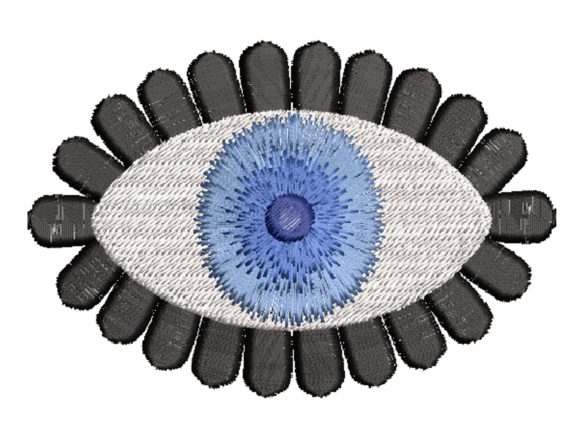
Evil Eye Embroidery: A Designer’s Craft Fair Review
As an embroidery designer who has spent countless weekends behind a booth table, I know that not every digital file translates into a bestseller. When I downloaded the Evil Eye machine embroidery design, my immediate goal was to determine if it had the visual punch required for a busy craft fair environment. This is not just about aesthetics; it is about viability. This listing includes one design for machine embroidery. Please note this is NOT a patch or a physical item. These designs are digital designs that require an embroidery machine to work with. And a wa. Understanding these constraints is the first step in turning a digital asset into a profitable handmade product.
First Impressions and Aesthetic Appeal
The Evil Eye motif carries a heavy cultural and stylistic weight. In the current market, it sits comfortably within the Boho category, appealing to buyers who love mystical, protective, and globally inspired decor. My first impression of this specific design was that it feels bold yet decorative. It does not try to be overly rustic or strictly farmhouse; instead, it leans into a modern, graphic style that works well for contemporary boutique makers.
For a craft fair seller, "glanceability" is crucial. Customers walk past tables quickly. Does the design register instantly? Yes. The symbolic nature of the eye means it is recognized immediately, even from a distance. This makes it an excellent candidate for a focal point on larger items rather than getting lost as a tiny accent. The design feels premium when executed with high-contrast thread colors, giving it a finished look that elevates the perceived value of the item.
Product Versatility for the Weekend Market
To maximize sales, I tested the mental application of this embroidery file across various common craft fair staples. Here is where I believe this design shines:
- Tote Bags and Market Bags: This is arguably the strongest application. A large tote bag design featuring the Evil Eye allows for sufficient detail. The flat surface of canvas or cotton tote bags provides the perfect stability for the stitch pattern, ensuring the design remains crisp and clear.
- Aprons and Tea Towels: For kitchenware, the design adds a playful, protective charm. Apron embroidery placed on the bib or pocket creates a statement piece. However, for tea towel embroidery, you must be cautious. Towels have a loose weave and texture that can swallow small details. If the design has fine lines, they may get lost in the fabric texture.
- Caps and Hats: Curved surfaces are tricky. While the Evil Eye is iconic, placing it on a cap requires careful hooping. If the design is too wide, it will distort on the curved front panel. It works best here if the design is scaled down appropriately or if you use a cap frame to ensure stability.
- Embroidered Patches: Creating cut-out patches is a fantastic way to offer lower-priced items. An embroidered patch allows customers to buy the design without committing to a full garment. This is ideal for impulse buys at your booth.
- Pillow Covers: Home decor items like pillow covers benefit from the symmetrical nature of the eye. It serves as a central medallion that draws the eye, making it a strong seller for home-focused shoppers.
Production Practicality and Batch Selling
From a production standpoint, time is money. When preparing for a craft fair, I need designs that are repeatable and reliable. The Evil Eye design appears to be structured for efficiency. It does not seem to rely on excessive satin stitches that might cause puckering, nor does it appear to have unnecessary jump stitches that would increase trim time. This makes it suitable for batch production, allowing you to hoop multiple items in succession.
Photography is another critical factor for the modern Etsy seller. This design photographs exceptionally well because of its high contrast. Whether you are creating a printable mockup for your online store or taking photos of your finished product for social media, the distinct shapes of the eye pop against both light and dark fabrics. This visual clarity helps in creating compelling design assets for your marketing materials.
Careful-Use Notes and Technical Considerations
While the design is strong, there are technical pitfalls to avoid. As an experienced designer, I advise paying close attention to the following:
- Stitch Density: Check the stitch density of the file. If it is too dense for lightweight fabrics like linen or thin cotton, it may cause the fabric to pucker or tear. Always test on scrap fabric first.
- Small Details: If the design includes tiny elements within the eye or surrounding motifs, these may not stitch out cleanly on textured fabrics like terry cloth towels. Simplify your product choices based on the intricacy of the file.
- Thread Colors: The impact of the Evil Eye relies heavily on color choice. Traditional blue and white is classic, but experimenting with monochromatic threads or metallic accents can make your small shop product stand out from competitors.
- Stabilizer Selection: Using the right stabilizer is non-negotiable. For stretchy fabrics like t-shirt material for patches, use a cut-away stabilizer. For woven fabrics like tote bags, a tear-away may suffice, but a mesh top stabilizer can help prevent sinking into plush fabrics.
- Hoop Size: Confirm the required hoop size before starting. If the design is large, ensure your machine can accommodate it without re-hooping, which can lead to alignment issues.
Enhancing Brand Consistency and Buyer Engagement
Incorporating the Evil Eye into your lineup can strengthen your brand identity if you position it correctly. It signals a knowledge of trends and a connection to spiritual or bohemian aesthetics. This consistency helps in building a loyal customer base who appreciate the curated nature of your commercial embroidery offerings.
Furthermore, this design encourages buyer engagement. It is a conversation starter. Customers often ask about the meaning behind the symbol, giving you a chance to connect personally, explain your process, and highlight the quality of your handmade work. This personal interaction is what drives sales at physical markets and builds trust for online stores.
Final Designer Verdict
Before you launch this into your store, remember that this is a digital embroidery file. You are responsible for the physical output. Test the design on various fabrics to see how the thread colors interact with the background. Compare how it looks on a dark navy tote versus a natural canvas. Create at least one real mockup to verify the scale.
Crucially, confirm the commercial licensing terms. Since this listing includes one design for machine embroidery, ensure you understand the rights granted for selling finished products. Most designers allow unlimited sales of physical items, but restrictions may apply to sharing the file itself. By respecting these boundaries and focusing on high-quality production, the Evil Eye can become a staple in your craft fair inventory, driving both attention and revenue for your creative business.