Diamond Quilting: A Designer’s Review for Craft Fairs
As an embroidery designer who has spent countless weekends behind a booth table, I know that not every digital file translates into a bestseller. We download hundreds of files, but only a select few become the backbone of our craft fair product lineup. Today, I am reviewing Diamond Quilting, a machine embroidery design that promises to bring texture and sophistication to handmade goods. My goal is to determine if this design deserves a spot in your production queue for the upcoming market season.
First Impressions: Elegance Meets Texture
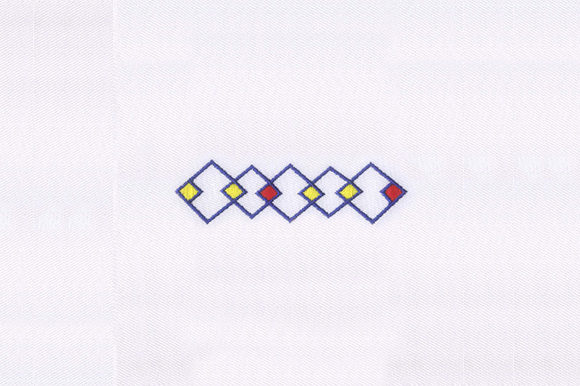
The title Diamond Quilting immediately suggests a specific aesthetic. It does not scream "cute" or "funny"; instead, it whispers "premium" and "classic." In the world of Bedroom decor and high-end home textiles, this is a powerful positioning. When I visualize this design, I see clean lines, geometric precision, and a nod to traditional quilting patterns without the bulk of actual batting. For an Etsy seller or boutique maker, this means the design feels established and trustworthy. It lacks the whimsical chaos of novelty designs, offering instead a calm, structured beauty that appeals to buyers looking for quality over novelty.
This visual appeal is crucial for booth display strength. When a customer walks past your table, their eye is drawn to contrast and texture. A well-executed diamond pattern creates shadows and highlights through thread direction, making the finished product look expensive even if the base item was affordable. This is the kind of embroidery that elevates a simple cotton tote into a luxury accessory.
Product Versatility and Market Fit
The true test of any digital embroidery file is its versatility. Can it survive on different fabrics? Does it look good small and large? Here is how Diamond Quilting performs across various handmade product categories:
- Tote Bags and Market Bags: This is arguably the strongest application. A large-scale diamond pattern on a canvas tote acts as a tote bag design that mimics high-end quilted leather or fabric. It adds structural interest to flat surfaces and photographs beautifully for online listings.
- Aprons and Tea Towels: For kitchenware, placement is key. Using this as an apron embroidery accent on the bib or pocket adds a touch of farmhouse elegance. For tea towel embroidery, ensure the design is scaled down so it does not overwhelm the thin fabric. The geometric nature complements the grid-like weave of linen towels.
- Pillow Covers and Bedroom Decor: Since the product category is Bedroom, this design shines on sham covers or decorative throw pillows. It provides a neutral, textured background that allows other colorful pillows to pop, making it a safe yet stylish choice for interior design enthusiasts.
- Embroidered Patches and Caps: Here, caution is required. While an embroidered patch with a diamond motif can be chic, the curvature of a cap may distort the geometric lines. If using on caps, keep the design small and centered. For patches, ensure the backing is sturdy to support the stitch work.
Production Practicality for Small Shops
For those of us running a small shop product line, time is money. Diamond Quilting appears to be a design that favors repeatability. Geometric patterns are generally easier to hoop consistently than complex scenic illustrations. However, you must consider stitch density. Diamond patterns often involve long runs or dense fill areas to create the illusion of padding. If the density is too high, it can pucker lightweight fabrics like voile or thin cotton. If it is too low, the fabric underneath may show through, breaking the illusion of quilting.
Photography is another major factor. This design relies on light and shadow. When creating a printable mockup or taking photos for your Etsy seller profile, use side lighting to emphasize the raised texture of the stitches. Flat, direct flash will kill the visual impact of the diamond pattern. The design assets you create should highlight this tactile quality to drive buyer engagement.
Critical Technical Considerations
Before you commit to batch production, there are several technical hurdles to clear. As a professional, I always advise testing on scrap fabric first. Do not assume the design will work perfectly on your first try. Check the thread colors carefully. A monochromatic look (same color thread as fabric) creates a subtle, tonal elegance, while contrasting thread makes the pattern bold and graphic. Both are valid, but they sell to different demographics.
You must also pay attention to hoop size. The product description lists a wide variety of formats, including DST, PES, JEF, and VIP, which suggests compatibility with many machines. However, you need to confirm the specific dimensions of the design instance you purchase. Does it fit a 4x4 hoop for small gifts, or does it require a 5x7 or larger for statement pieces? Misjudging this can lead to wasted materials.
Furthermore, consider the stabilizer. For a design that mimics quilting, you likely want a cut-away stabilizer for stretchy fabrics like jersey tote bags, or a tear-away for stable wovens like apron cotton. The stability of the hoop setup directly affects the crispness of the diamond points. Blunt or rounded points look amateurish; sharp, defined corners look premium.
Navigating File Formats and Licensing
One of the strengths of this product listing is the extensive range of embroidery file formats provided: 10O, ART, CND, DSB, DST, DSZ, EXP, HUS, JEF, PCS, PEC, PES, TAP, VIP, VP3, and XXX. This breadth ensures that whether you are using an older Brother machine, a modern Husqvarna, or a commercial Janome, you can likely find a compatible file. This accessibility is vital for commercial embroidery professionals who may switch machines or upgrade equipment.
However, a critical note for all creative entrepreneurs: always confirm the licensing terms. Just because a file is available in multiple formats does not automatically grant you the right to sell finished products. Ensure that your purchase includes a commercial license if you intend to sell these items at craft fairs or online. Using design assets without proper clearance can jeopardize your business.
Final Verdict for the Craft Fair Booth
In my assessment, Diamond Quilting is a strong contender for makers who want to project an image of refined craftsmanship. It is not a impulse-buy novelty item; it is a considered purchase for customers who value texture and classic style. It works exceptionally well on larger surface areas like totes and pillows, where the geometry can breathe. It requires careful attention to fabric texture and tension settings to avoid puckering, but the payoff is a high-perceived-value item.
If you are looking to expand your design assets with something that bridges the gap between modern minimalism and traditional home comfort, this design is worth the test stitch. Create a real mockup, compare it against your current inventory, and see if it fills a gap in your Bedroom or accessory collection. With the right presentation, Diamond Quilting can become a staple in your repertoire, drawing in customers who appreciate the quiet luxury of well-executed embroidery.