Two Stockings: A Designer’s Practical Review
As an embroidery designer who has spent countless hours digitizing, testing, and critiquing machine embroidery designs, I approach every new file with a mix of curiosity and skepticism. We have all been there: you download a design that looks stunning in the preview image, only to find it puckers the fabric or loses its charm once stitched out. Today, I am taking a close look at Two Stockings, a festive motif intended for holiday projects. This review is not just about aesthetics; it is about how this design performs in the real world of craft businesses, custom apparel, and handmade gifts.
First Impressions and Visual Personality
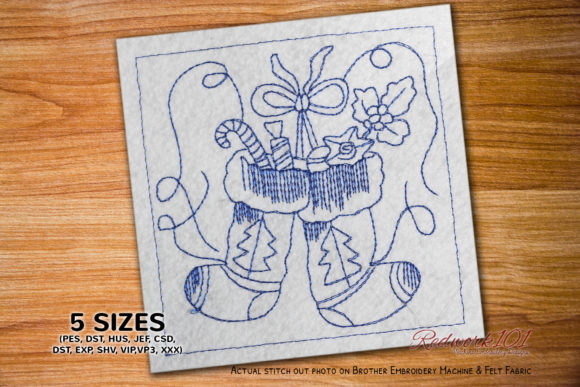
The immediate appeal of Two Stockings lies in its classic simplicity. In a season often cluttered with overly complex, high-density digital embroidery files, there is something refreshing about a clean, recognizable silhouette. The design features two hanging stockings, likely arranged side-by-side or slightly overlapping, creating a balanced composition that feels traditional yet versatile.
What stands out initially is the potential for customization. The product description notes that the Box Stitch shown in promotional pictures is optional. This is a crucial detail for any serious embroiderer. It means the core value of the design is in the stockings themselves, allowing you to frame them however you see fit. Whether you want a rustic look on a burlap sack or a polished finish on a velvet pillow, the ability to skip or modify the outer box gives you creative control. The mood is warm and nostalgic, perfectly suited for Christmas decor, but the clean lines ensure it does not feel dated.
Real-World Application: From Tote Bags to Sweatshirts
When I evaluate a design like Two Stockings, I immediately start visualizing it on various substrates. This is where the rubber meets the road for Etsy sellers and small shop owners. Here is how I see this design performing across different products:
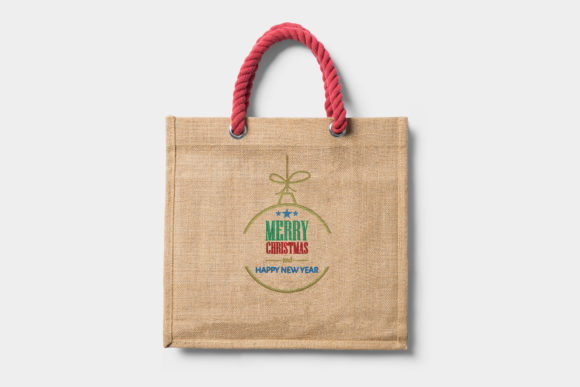
- Tote Bag Design: This is perhaps the strongest use case. A canvas tote bag provides a stable, medium-weight surface that handles fill stitches well. Placing Two Stockings centrally on a natural cotton tote creates an instant holiday gift item. The contrast between red and green thread colors against the neutral fabric would be striking.
- Sweatshirt Embroidery: For custom apparel, this design works beautifully on the left chest area of a crewneck sweatshirt. However, because sweatshirts are thick and often fleeced, you must consider stitch density. If the design is too dense, it can create a stiff patch that feels uncomfortable. I recommend testing it on scrap fleece first to ensure the fabric does not pucker around the edges.
- Baby Embroidery: Soft baby items like onesies or burp cloths require a gentle touch. If Two Stockings uses heavy satin stitch borders, it might be too scratchy for sensitive skin. In this case, using a soft backing stabilizer and ensuring the back of the stitching is covered is essential for a high-quality handmade product.
- Embroidered Patch: The contained nature of the design makes it ideal for patches. You can stitch it out on twill, cut it out, and merrow the edges. This transforms the digital embroidery file into a versatile accessory that can be ironed onto jackets, hats, or bags later.
Technical Considerations and Stitching Performance
Let us talk about the technical side, because this is where many projects fail. The description mentions that the color of the outer box is different in most designs unless it is part of the design itself, and you can skip the color directly. This suggests the design may rely on color changes for definition. As a reviewer, I advise you to open the embroidery file in your editing software before stitching. Check the sequence. If the outline relies on a contrasting thread to define the shape against a dark fabric, you need to plan your thread colors carefully.
Stitch Density and Fabric Texture
The success of Two Stockings depends heavily on the interplay between stitch density and fabric texture. On smooth cotton or linen, the design should lay flat and crisp. However, on textured fabrics like wool blends or terrycloth towels, finer details might get lost. If the design includes small decorative elements inside the stockings, such as snowflakes or initials, verify that these are not too tiny. Small details can merge together on plush fabrics, turning intricate patterns into undefined blobs.
Hoop Size and Placement
While the exact hoop size is not specified in the brief, a two-stockings layout typically fits comfortably in a 4x4 or 5x7 inch hoop. This is advantageous for home embroiderers who may not have large industrial frames. For curved surfaces like caps, you must use a cap frame and appropriate stabilizer to prevent distortion. The symmetry of the two stockings helps maintain visual balance even if the placement is slightly off-center due to the curve of the hat.
Navigating Challenges: Dark Fabrics and Stretchy Materials
Every design has its weaknesses, and honest review requires addressing them. Two Stockings may present challenges on dark fabrics if the design lacks a proper underlay or if the thread colors do not have enough contrast. If you are stitching white stockings on a black sweatshirt, ensure your white thread is high-quality and bright. Sometimes, a slight adjustment in brightness settings on your machine can make the colors pop more effectively.
Stretchy fabrics are another area for caution. If you are applying this design to a stretchy knit for a t-shirt, you must use a cut-away stabilizer rather than tear-away. The tension of the stitches can cause the fabric to gather around the design if not properly supported. Always test on a scrap piece of the exact fabric you intend to use. This simple step saves hours of frustration and prevents wasted materials.
Commercial Value and Brand Consistency
For commercial embroidery and Etsy sellers, the visual appeal of Two Stockings translates directly to product value. A clean, well-digitized design signals professionalism. Customers are more likely to trust a handmade product that looks precise and intentional. This design fits well into a boutique branding strategy that values tradition and warmth. It is not overly trendy, which means it has longevity. You can sell it year after year without it feeling outdated.
When creating printable mockups or digital product previews, show the design in context. Display it on a cozy throw pillow or a festive apron. This helps buyers visualize the finished product in their own homes. Remember, you are not just selling an embroidery file; you are selling the potential for a beautiful, personalized gift.
Final Verdict and Designer Notes
In conclusion, Two Stockings is a solid addition to your library of holiday embroidery projects. Its strength lies in its versatility and classic aesthetic. It is not trying to be overly complicated, which often results in a more reliable stitch-out. However, its success depends on your preparation.
Here are my final practical notes for using this design:
- Check the License: Before selling finished items or digital assets, confirm the licensing terms. Ensure you have the right to use it for commercial embroidery projects.
- Test Stitch: Always run a test stitch on similar fabric. Check for registration issues where colors meet.
- Thread Choice: Use high-quality rayon or polyester threads for a sheen that enhances the festive look. Matte cotton threads can work for a rustic vibe but may lack definition.
- Stabilizer Selection: Match your stabilizer to your fabric. Heavy fabrics need less support; light or stretchy fabrics need robust stabilization.
If you are looking for a reliable, charming design for your next Christmas collection, Two Stockings is worth considering. With proper technique and attention to detail, it can elevate your handmade products and delight your customers.