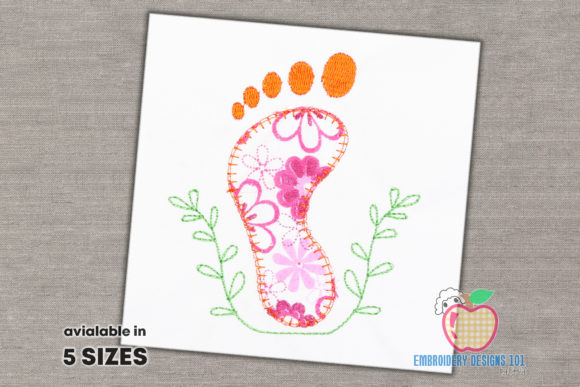
Foot Print of the Human Applique Pattern Review
As an embroidery designer who has spent years refining digitizing techniques for boutique apparel, I approach every new machine embroidery design with a critical eye. It is not just about whether the file runs smoothly; it is about how the final stitch-out elevates the garment. Recently, I evaluated the Foot Print of the Human Applique Pattern for an upcoming limited-edition sweatshirt drop for a small online shop. The goal was to find a motif that balanced playful innocence with a premium, handmade aesthetic suitable for a modern boys collection. Here is my professional breakdown of how this design performs in a real-world commercial setting.
First Impressions: Mood and Aesthetic Appeal
The first thing that strikes you about the Foot Print of the Human Applique Pattern is its inherent charm. In the world of embroidery, footprints are a classic motif, but they often risk looking too generic or clip-art-like. This design, however, leans into the tactile nature of applique, which immediately adds depth and texture. For a boutique brand, texture is everything. It signals quality before the customer even touches the fabric.
The mood of this piece is undeniably cozy and nostalgic. It feels personal, like a keepsake rather than mass-produced merchandise. When I visualized this on a neutral, oatmeal-colored sweatshirt, the contrast was subtle yet effective. On darker fabrics, such as charcoal or navy, the design demands brighter thread colors for the outlining stitches to ensure visibility, creating a bold, graphic look. For pastel spring collections, the soft edges of the applique shape blend beautifully, offering a gentle, decorative touch that appeals to parents looking for sentimental value in their children's wardrobe.
Technical Evaluation: Stitching and Fabric Compatibility
From a technical standpoint, working with applique designs requires precision. The description notes that steps are separated by color changes, which is standard for efficient production but crucial for maintaining clean lines. As a designer, I always check how the placement stitches interact with the fabric texture. Sweatshirts, particularly those made from heavy cotton blends or fleece, have a distinct pile. The Foot Print of the Human Applique Pattern must have sufficient stitch density in the satin border to prevent the underlying fabric from peeking through unevenly.
One major consideration for any hoodie design is the stability of the hoop. Sweatshirts are thick. If the design is too large, it can cause hoop burn or distortion. Since this is an applique pattern, the actual stitch count is likely lower than a full-fill design, which is a significant advantage. Lower stitch density means less puckering and a softer hand feel against the skin. This is vital for custom apparel aimed at children, where comfort is paramount. However, the choice of stabilizer is non-negotiable. I recommend a medium-weight cut-away stabilizer to support the weight of the applique fabric and ensure the design remains durable through repeated washing.
It is important to note that while the product description states the digital embroidery file comes in multiple formats for various machines, it does not specify the exact hoop size requirements or the precise stitch count. Before scaling this for a large back print or shrinking it for a sleeve accent, you must verify these details in the included documentation. Testing on a scrap piece of your specific fabric is essential to gauge how the thread colors interact with the material’s dye.
Strategic Placement for Boutique Brands
For an Etsy seller or small shop owner, versatility is key to maximizing the value of a single design asset. The Foot Print of the Human Applique Pattern offers several strategic placement options that can diversify your product line without requiring new digitizing costs.
- Chest Pocket Area: Placing the footprint over a pocket or on the left chest creates a subtle, branded look. This is ideal for minimalist branding where the design acts as a logo substitute.
- Sleeve Accents: Running the design down the sleeve or placing it near the cuff adds a unique detail that distinguishes your small shop product from big-box retailers. It encourages customers to turn the garment around, increasing engagement.
- Back Centerpiece: If the file allows for scaling, a larger version on the back of an oversized hoodie creates a statement piece. This works well for seasonal drops where bold visuals drive social media shares.
- Hem Details: A small footprint near the bottom hem adds a whimsical, unexpected element that feels high-end and thoughtful.
Each placement changes the perceived value of the garment. A chest emblem feels classic and preppy, while a back print feels streetwear-inspired and trendy. Understanding this allows you to market the same design assets to different customer segments.
Enhancing Brand Identity and Product Value
In the competitive landscape of handmade goods, the finished product must tell a story. The Foot Print of the Human Applique Pattern contributes to a narrative of care and craftsmanship. When customers see the raised texture of the applique and the neatness of the satin stitches, it builds trust. It signals that the item is not just printed ink on fabric, but a constructed piece of art. This perception directly impacts buyer trust and allows for a higher price point.
For lifestyle product photography, this design shines. The interplay of light on the embroidered threads and the fabric of the applique creates natural shadows and highlights that flat prints cannot achieve. These visual cues are powerful in printable mockup previews and actual listing photos, helping potential buyers visualize the quality. It enhances visual recognition, making your brand identifiable by its signature stitching style.
Commercial Viability and Production Tips
Is this design strong enough for commercial embroidery? Absolutely, provided you manage the production variables. The separation of steps by color changes simplifies the workflow for multi-needle machines, reducing trim time and increasing efficiency. For single-needle home machines, it requires more attention during the color change process, but the result is equally professional if trimmed carefully.
To ensure the longevity of the finished product, consider the following:
- Fabric Selection: Choose sweatshirts with a tight knit to support the applique edges. Loose weaves may fray under the cut edges of the applique fabric.
- Thread Quality: Use high-sheen polyester or rayon threads for the border to create a luxurious contrast against matte cotton sweatshirts.
- Washing Instructions: Educate your customers on caring for embroidered items. Turning the garment inside out protects the stitches and maintains the integrity of the applique.
Ultimately, the Foot Print of the Human Applique Pattern is a versatile tool for any designer focusing on boys apparel or family-themed collections. It bridges the gap between cute and sophisticated, making it a valuable addition to your library. By paying attention to stabilizer choices, hoop placement, and fabric compatibility, you can transform this digital file into a standout bestseller for your boutique brand. Always remember to check the specific file formats and size constraints provided with the download to ensure seamless integration into your production workflow.